Introduction to the Enneagram
Understanding your core Enneagram type also helps you break free from limiting behaviors, cultivate greater self-mastery, and develop resilience in both personal and professional settings. Whether you’re seeking personal transformation, stronger leadership skills, or deeper emotional connections, the Enneagram provides a practical framework for lasting growth and success.
Are we born with an Enneagram type?
Many Enneagram scholars believe that individuals are born into their type and that early life experiences shape how their core personality traits manifest. While our identity evolves over time through significant emotional experiences—such as childhood influences, relationships, career changes, successes, and failures—the fundamental patterns of our type remain consistent.
Understanding your Enneagram type is not about limiting yourself to a label, but rather about gaining clarity on your strengths, blind spots, and opportunities for growth.
How I discovered the Enneagram
My journey with the Enneagram began in the year 2000, through a workshop led by a Jesuit priest. Initially, I resisted my assigned type, questioning its accuracy. But as I dug deeper into my behaviors, reactions, and thought patterns, I came to see the undeniable truth of my type’s characteristics.
Since then, I’ve explored the Enneagram not just for myself, but for my family, colleagues, and coaching clients. Many struggle to pinpoint their type at first, as memories of childhood can be fragmented. However, by reflecting on recurring patterns in thinking, emotions, and coping mechanisms, a clearer picture of their true type often emerges.
Why the Enneagram matters
Life is filled with twists, turns, challenges, and milestones—from childhood conditioning to major life transitions like marriage, career shifts, leadership roles, and personal setbacks. The Enneagram provides a structured lens to make sense of these experiences, helping individuals break free from limiting patterns and unlock greater potential.
Rather than placing us in a box, the Enneagram reveals the box we’ve unconsciously built around ourselves—and offers a way out.
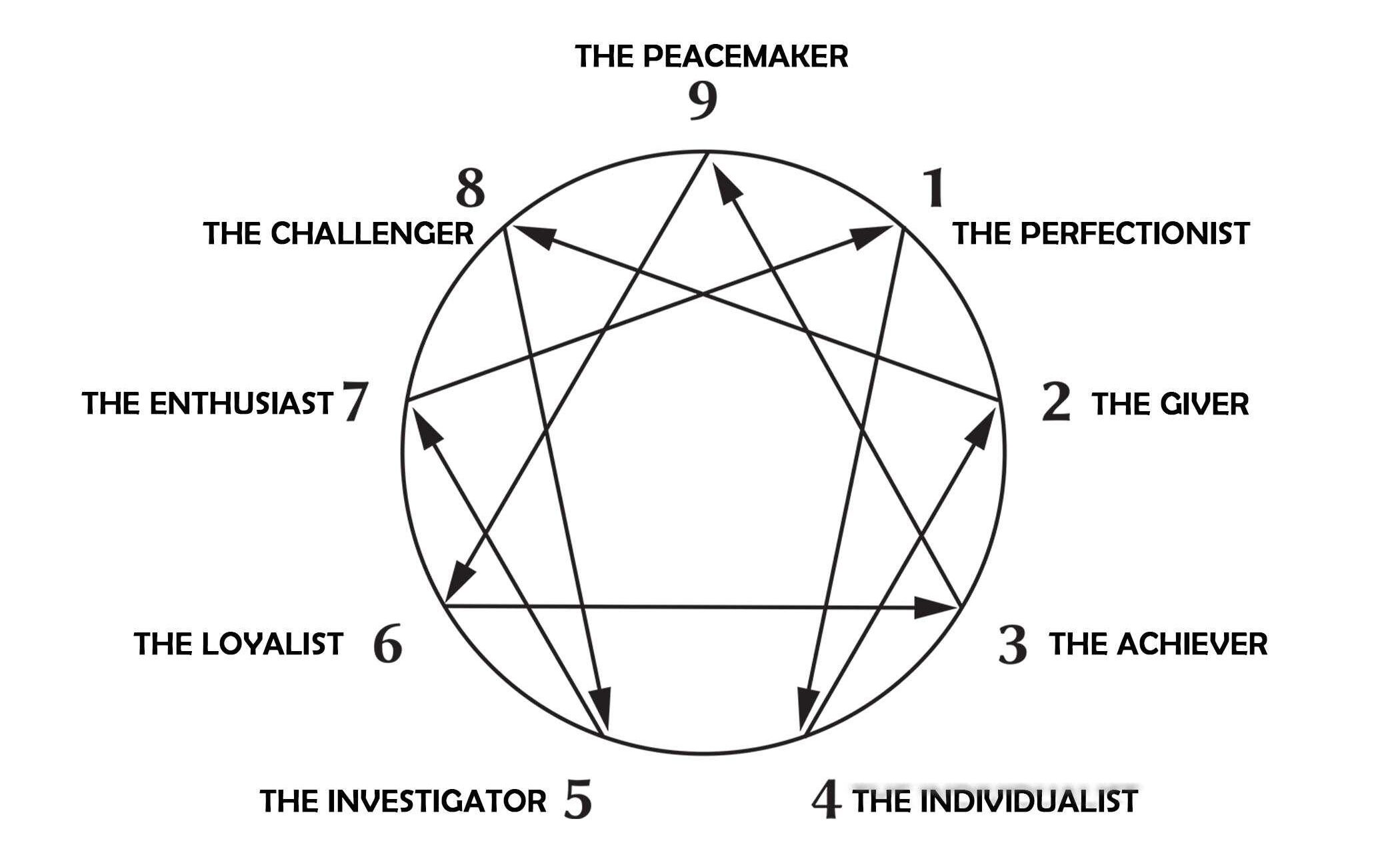
The nine Enneagram types are:
- The Perfectionist – Rational, principled, and self-controlled
- The Helper – Caring, empathetic, and nurturing
- The Achiever – Ambitious, competitive, and success-oriented
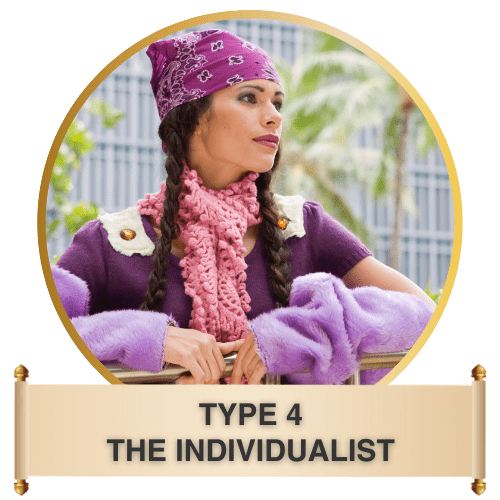
- The Individualist – Sensitive, creative, and expressive
- The Investigator – Analytical, curious, and reserved
- The Loyalist – Responsible, trustworthy, and loyal
- The Enthusiast – Fun-loving, spontaneous, and adventurous
- The Challenger – Assertive, powerful, and direct
- The Peacemaker – Easygoing, harmonious, and accommodating