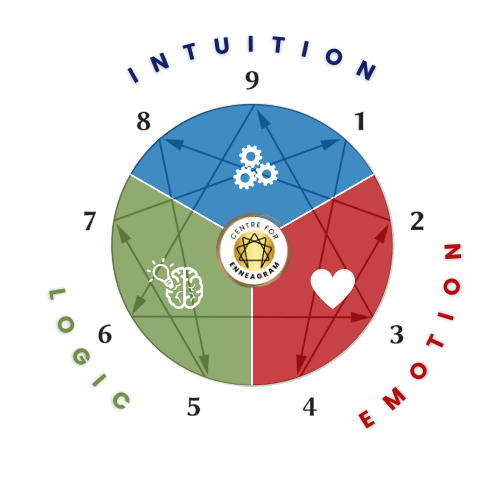
The Enneagram is a powerful system of personality that describes nine distinct types, each representing a unique way of thinking, feeling, and behaving. Unlike other personality assessments, such as the Myers-Briggs Type Indicator (MBTI), the Enneagram provides a deeper, more dynamic, and transformative understanding of human nature.
Each of the nine types serves as a roadmap for personal growth, helping individuals uncover unconscious patterns, emotional triggers, and core motivations.
Understanding your core Enneagram type also helps you break free from limiting behaviors, cultivate greater self-mastery, and develop resilience in both personal and professional settings. Whether you’re seeking personal transformation, stronger leadership skills, or deeper emotional connections, the Enneagram provides a practical framework for lasting growth and success.
Are we born with an Enneagram type?
Many Enneagram scholars believe that individuals are born into their type and that early life experiences shape how their core personality traits manifest. While our identity evolves over time through significant emotional experiences—such as childhood influences, relationships, career changes, successes, and failures—the fundamental patterns of our type remain consistent.
Understanding your Enneagram type is not about limiting yourself to a label, but rather about gaining clarity on your strengths, blind spots, and opportunities for growth.
How I discovered the Enneagram
My journey with the Enneagram began in the year 2000, through a workshop led by a Jesuit priest. Initially, I resisted my assigned type, questioning its accuracy. But as I dug deeper into my behaviors, reactions, and thought patterns, I came to see the undeniable truth of my type’s characteristics.
Since then, I’ve explored the Enneagram not just for myself, but for my family, colleagues, and coaching clients. Many struggle to pinpoint their type at first, as memories of childhood can be fragmented. However, by reflecting on recurring patterns in thinking, emotions, and coping mechanisms, a clearer picture of their true type often emerges.
Why the Enneagram matters
Life is filled with twists, turns, challenges, and milestones—from childhood conditioning to major life transitions like marriage, career shifts, leadership roles, and personal setbacks. The Enneagram provides a structured lens to make sense of these experiences, helping individuals break free from limiting patterns and unlock greater potential.
Rather than placing us in a box, the Enneagram reveals the box we’ve unconsciously built around ourselves—and offers a way out.
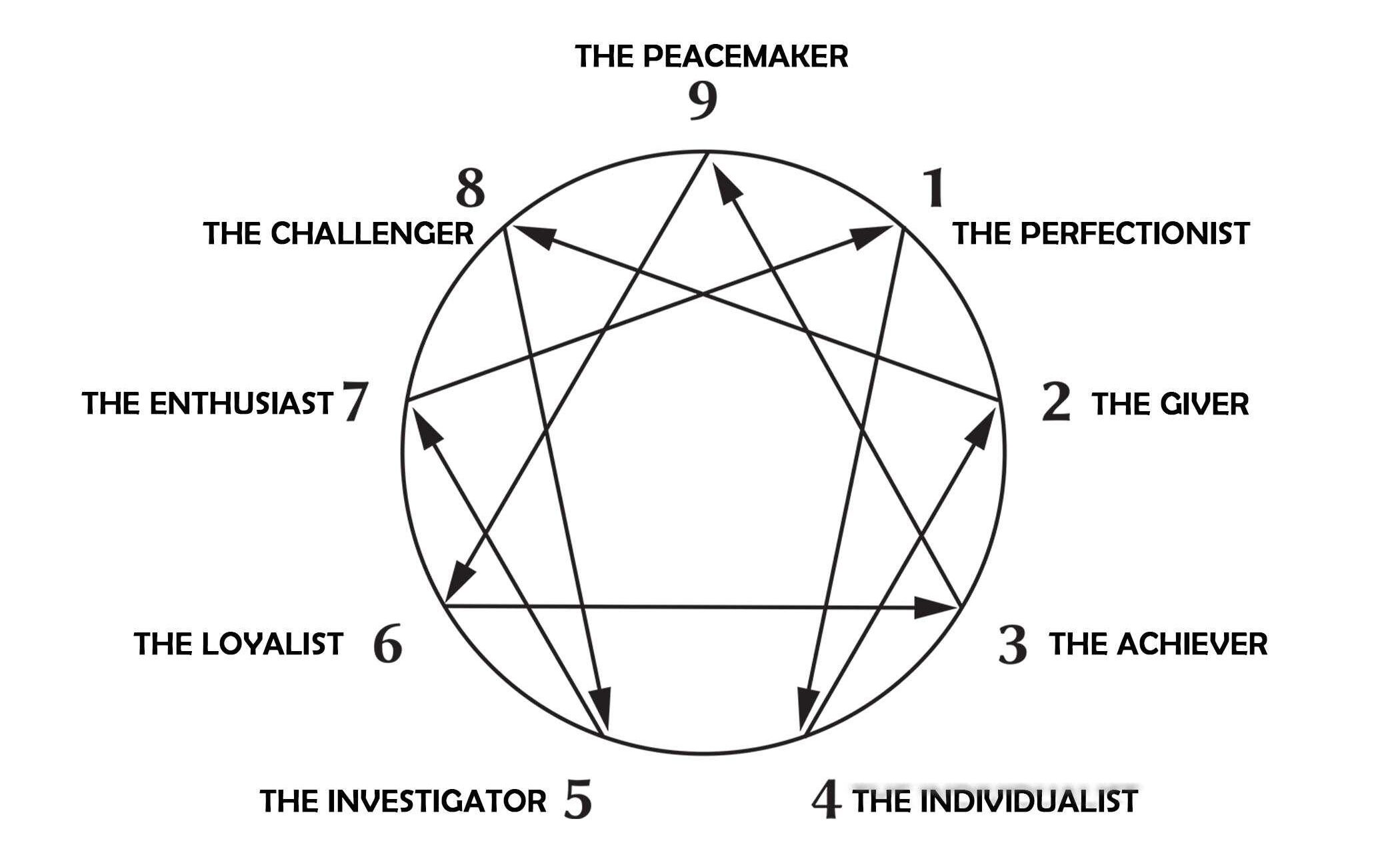
The nine Enneagram types are:
The Perfectionist – Rational, principled, and self-controlled
The Helper – Caring, empathetic, and nurturing
The Achiever – Ambitious, competitive, and success-oriented
The Individualist – Sensitive, creative, and expressive
The Investigator– Analytical, curious, and reserved
The Loyalist – Responsible, trustworthy, and loyal
The Enthusiast – Fun-loving, spontaneous, and adventurous
The Challenger – Assertive, powerful, and direct
The Peacemaker– Easygoing, harmonious, and accommodating
Wings & Type Variations
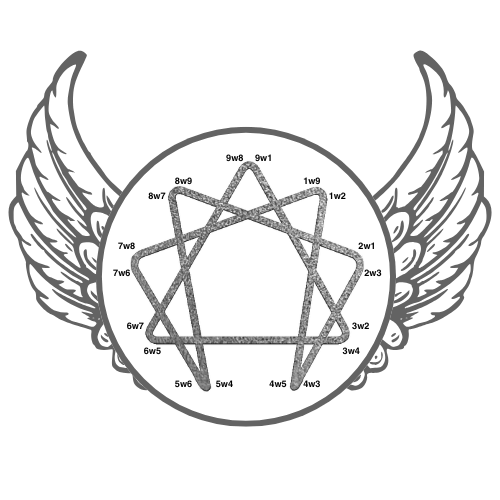
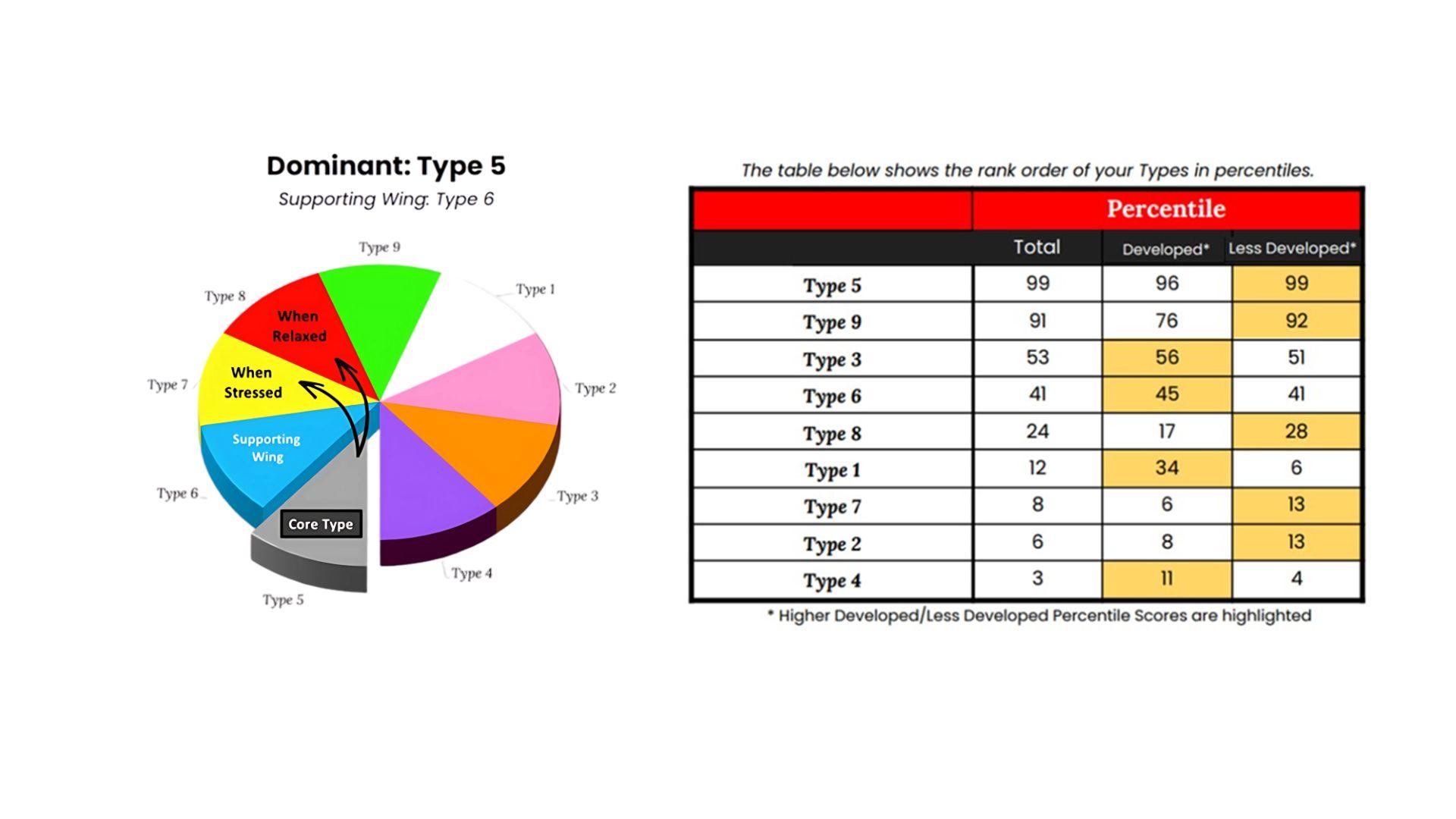
In the Enneagram system, wings refer to the two numbers adjacent to a person’s core type. These wings influence and shape how an individual expresses their dominant type, adding nuances to their personality.
While the core type remains the foundation of an individual’s personality, the wings introduce additional traits, strengths, and challenges. Some people strongly identify with one wing, while others balance both, and a few may not exhibit significant wing influence at all.
Wings do not change a person’s Enneagram type but add complexity to their personality, providing a richer understanding of their behaviors, motivations, and potential growth paths.
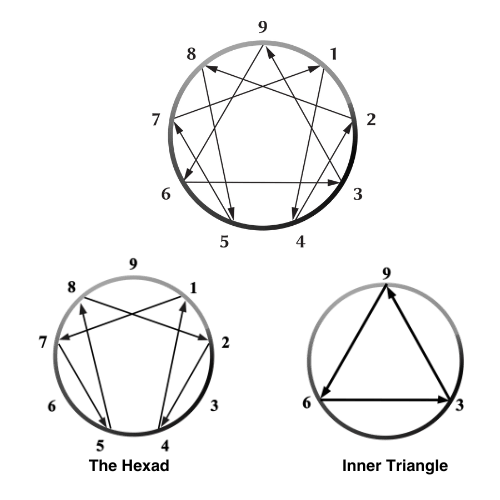
The Enneagram shows how each type shifts—taking on negative traits in stress and positive qualities in security, guided by arrow movements.
Stress Movement – When under pressure, individuals may take on the negative traits of another type. This shift often happens unconsciously, leading to defensive behaviors, unhealthy coping mechanisms, or exaggerated tendencies that move them away from their natural strengths.
Security Movement – In a safe and comfortable environment, individuals can access the positive traits of a different type. This movement supports personal growth, allowing a person to develop qualities that complement their core type, leading to greater balance and resilience.
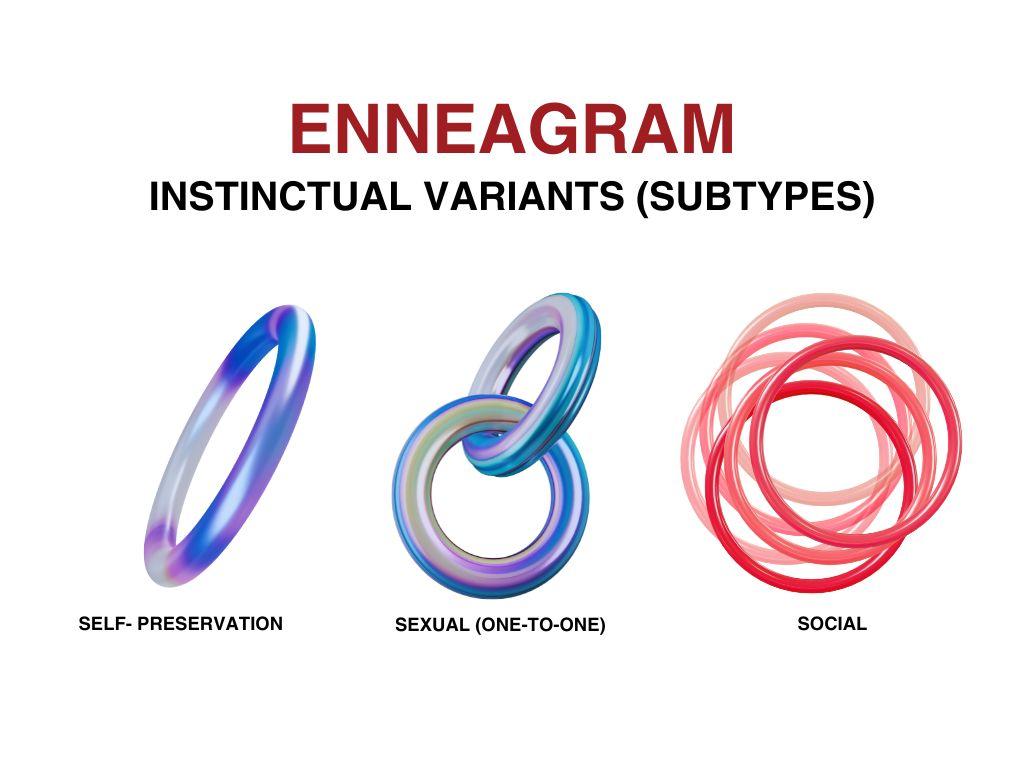
Beyond the core 9 types, the 27 Enneagram subtypes provide deeper insight, shaped by instinctual drives: Self-Preservation (SP) – Focused on security, stability, and well-being Social (SO) – Prioritizes group belonging and social impact
Sexual (SX) – Seeks deep, intense connections and experiences
Unlock deeper self-awareness with the Enneagram, a powerful tool for understanding personality patterns, motivations, and behavior. Enhance communication, teamwork, and leadership.